
Perfume Bottle Contour 100 ml

Previous Next Contour 100 ml Glass Perfume Bottle Details: Material : Glass Capacity: 100 ml Base : Oval Size : 8.1 cm (L) * 3.55(W)* 8.8 cm (H) Weight : 202.8 g Request a Sample Accessories Previous Next Previous Next Related products Screw Threaded Pump (gold) Read More Perfume Sprayer Pump (gold) Read More Perfume Bottle Sprayer Pump Read More Perfume Bottle Cap (sliver) Read More
Perfume Bottle Aura 30 ml

Previous Next Aura 30 ml Glass Perfume Bottle Details: Material : Glass Capacity: 30 ml Base : Round Size : 4.5 cm (D) * 5.6 cm (H) Weight : 97.5 g Request a Sample Accessories Previous Next Previous Next Related products Screw Threaded Pump (gold) Read More Perfume Sprayer Pump (gold) Read More Perfume Bottle Sprayer Pump Read More Perfume Bottle Cap (sliver) Read More
Perfume Bottle Aura 50 ml

Previous Next Aura 50 ml Glass Perfume Bottle Details: Material : Glass Capacity: 50 ml Base : Round Size : 5 cm (D) * 7.1 cm (H) Weight : 172.2 g Request a Sample Accessories Previous Next Previous Next Related products Screw Threaded Pump (gold) Read More Perfume Sprayer Pump (gold) Read More Perfume Bottle Sprayer Pump Read More Perfume Bottle Cap (sliver) Read More
Perfume Bottle Aura 100 ml

Previous Next Aura 100 ml Glass Perfume Bottle Details: Material : Glass Capacity: 100 ml Base : Round Size : 5.6 cm (D) * 8.4 cm (H) Weight : 213.5 g Request a Sample Accessories Previous Next Previous Next Related products Sample Vial Clear 3 ml Read More Perfume Bottle Quartz 50 ml Read More Perfume Bottle Eclipse 50 ml Read More Perfume Bottle Essence 30 ml Read More
3-Step Minimalist Packaging Customization

3-Step Minimalist Packaging Customization: A Zero-Experience Brand Guide — Conveying the Deepest Brand Essence with Minimal Design Amid today’s epidemic of overpackaging, minimalist design is growing at 17% annually as the new standard for consumer brands. Apple’s former chief designer Jonathan Ive declared, “Minimalism is never simple—it’s controlled complexity.” For zero-experience brands, minimalist packaging customization requires just three steps—from defining core values to production—enabling premium aesthetics without a professional team. Step 1: Define Product Core & User Context—Precision as Minimalism’s Foundation The core challenge of minimalist packaging is: How to enhance brand recognition while reducing elements? The answer starts with the product essence: User Pain Point Mapping Health food brand Zero Bakery discovered its target users (women aged 25-35) prioritized “additive-free” claims. Packaging directly used almond and cocoa powder color blocks with “gluten-fr
The Long-Term Benefits You Underestimate

The Long-Term Benefits You Underestimate — A Cognitive Revolution from “Cost Burden” to “Value Engine” The “Cognitive Trap” of Sustainable Packaging: Overestimated Costs, Underestimated Benefits The global packaging industry faces a critical paradox: while 75% of enterprises acknowledge sustainable packaging as the future, 60% of decision-makers delay transition due to cost concerns. This cognitive bias stems from traditional financial models’ limitations—they only calculate raw material price differences but ignore long-term gains in a circular economy. For example: Hidden cost blind spots: Disposal fees for single-use packaging account for 30% of total logistics costs, while transport damage causes losses of 3%-7%. Circular economy dividends: Tesla’s Shanghai Gigafactory reduced per-unit packaging operating costs by 42.7% and increased asset turnover by 12.2x after adopting reusable packaging. The emergence of eco-friendly packaging co
How Excessive Wrapping Harms the Planet?
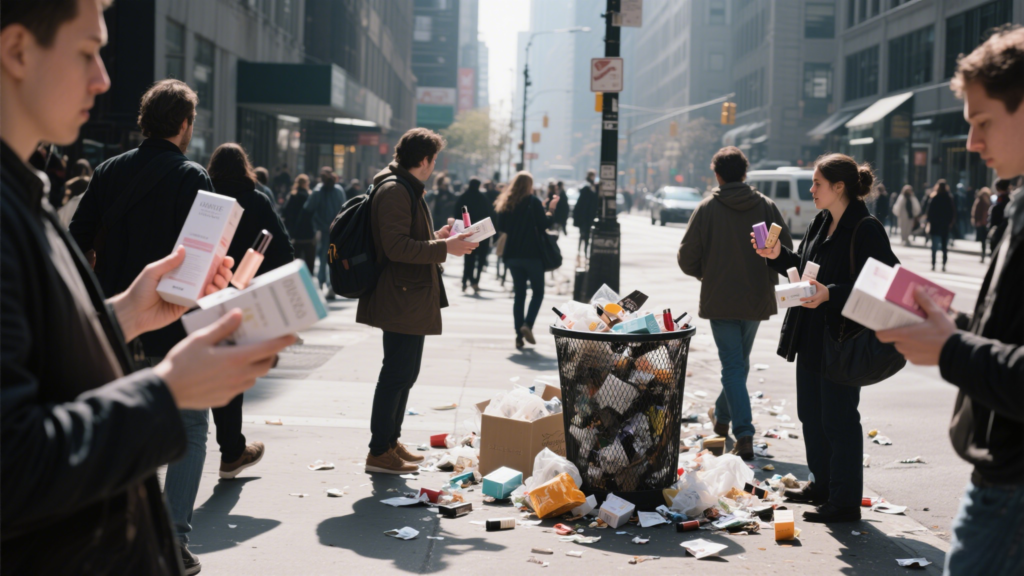
The Hidden Cost of Cosmetic Packaging: How Excessive Wrapping Harms the Planet? Tearing open a shoe-box-sized delivery carton, pulling out a ribboned gift box, unwrapping a fabric pouch, and peeling off plastic film—when the consumer finally touches that lipstick only two fingers wide, the discarded packaging has already piled up like a mountain. This is not fiction but an everyday reality in cosmetic consumption. In 2023, during a Shanghai market regulatory inspection, up to 70% of cosmetics packaging failed compliance checks, with renowned products like L’Oréal’s Black Essence gift set blacklisted for excessive void space. The tide of excessive packaging is sweeping the globe. Data shows that the cosmetics industry produces approximately 120 billion packaging units annually, 95% of which are discarded after a single use, with only 14% of plastic packaging recycled. In China, these ornate “Russian doll” boxes contribute to packaging waste accounting for 30%-40% of urban household gar
Elevating Brand Premium Through Foundational Design
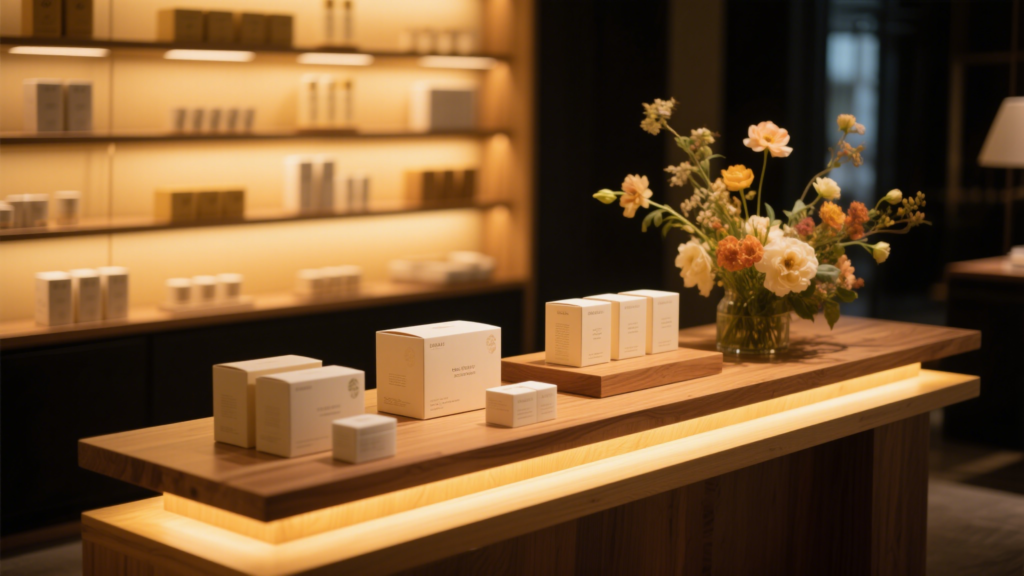
Minimalism ≠ Austerity: Elevating Brand Premium Through Foundational Design lion annual revenue built on basics, commerce proves that minimalism isn’t about austerity but transforming “less” into “more” through precision design. This shift responds to consumer fatigue with excess—73% will pay premium for eco-minimalist packaging (Finnish Commerce Agency). How do basics transcend cheapness? The answer lies in mastering color, material, and function. 1. Color & Material: The Foundation of Premium The Power of AchromaticsMinimalism communicates emotion through restraint. Neutrals—black, white, grey, earth tones—anchor premium spaces with visual stability. In homes, unified light-wood floors and plaster walls amplify light in 30㎡ apartments; in fashion, all-white outfits accented with silver outprice prints—exemplified by CELINE’s ¥1,000+ tees cut from 220g combed cotton. Material Innovation: Tactility Defines ExperienceMinimalism demands material excellence. Hidden-handle cabinets re
Revealing the Core Standards of Glass Perfume Bottles
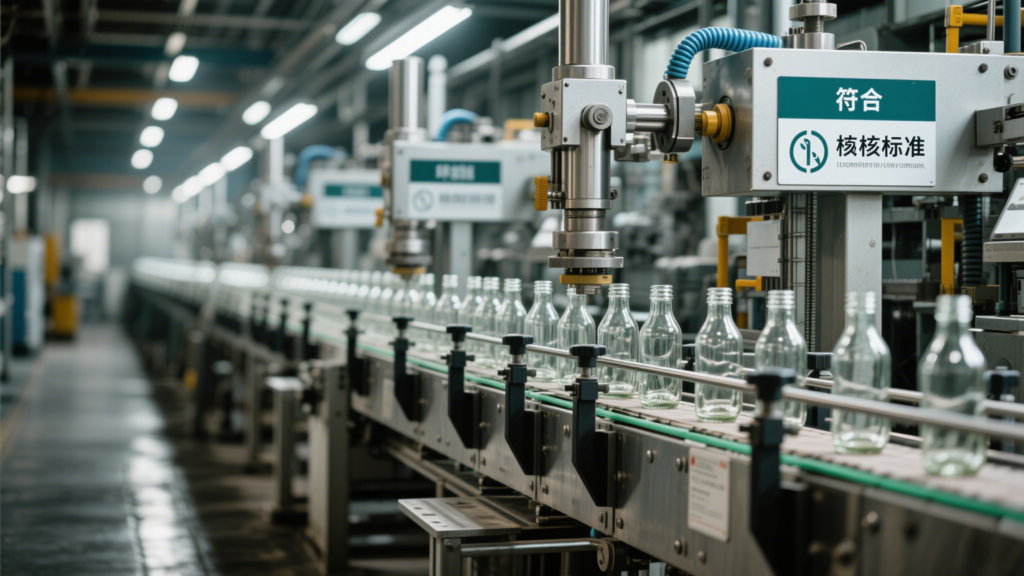
Revealing the 6 Core Standards of Eco-Friendly Glass Perfume Bottles 1. Material Sustainability: Shifting from Virgin to Recycled High Recycled Glass ContentEco-labels mandate ≥50% recycled glass in regenerated products, with toxic chemicals banned. Standards in regions like Shanxi, China, specify that recycled glass must come from post-consumer waste, not factory scraps. Fujian Great Wall Huaxing Glass processes 140,000 tons of waste glass annually via dry-cleaning technology, achieving purity suitable for remelting and increasing recycling rates by 50%. Innovative Eco-Materials Bio-based components: Bottle caps use DuPont’s SURLYN resin (FDA-compliant), combining transparency, wear resistance, and recyclability; Monomaterial design: Eastman’s PETG GN046 copolymer (70% recycled content) enables “bottle-to-bottle” recycling, adopted by Estée Lauder. 2. Production Innovation: Zero Wastewater & Low Carbon Dry-Cleaning Technology for CulletTraditional water-intensive wa
Why Are Global Brands Opting for “Basic” Packaging?
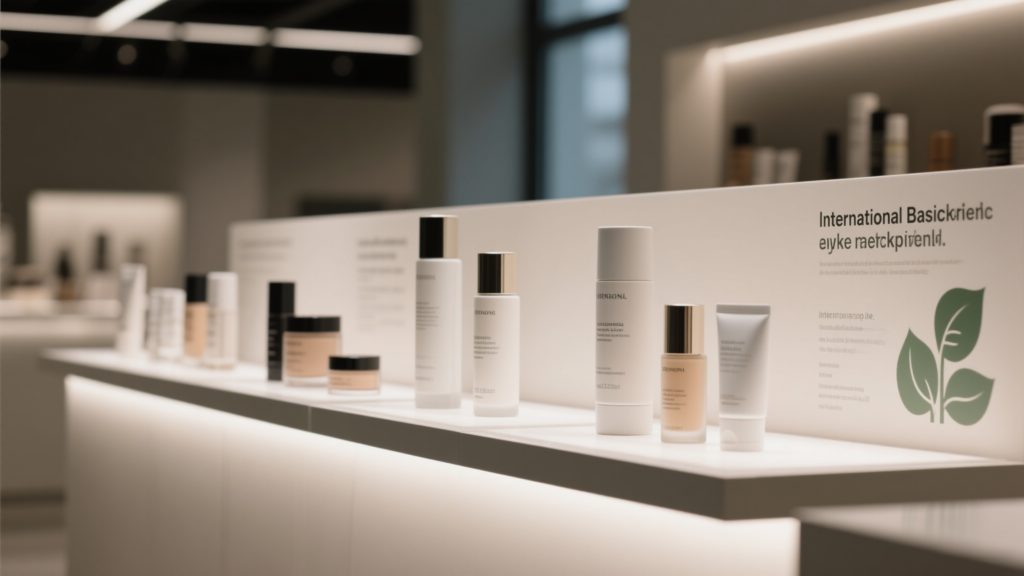
Why Are Global Brands Opting for “Basic” Packaging? 1. Dual Pressures: Regulation and Consumer Awakening Stricter Global Policies: The EU mandates 100% recyclable plastic packaging by 2030, with Spain pioneering taxes on non-recycled plastics. China’s Restrictions on Excessive Packaging cap cosmetic packaging at ≤4 layers and ≤20% of product cost, banning luxury materials like gold foil in mooncake boxes. In May 2025, consumer associations across 12 western Chinese provinces jointly condemned overpackaging, urging brands to “replace extravagance with quality” or face penalties. Consumers Drive Change: A Finnish survey revealed 73% of consumers will pay more for eco-packaging, while 67% prioritize recyclability. Social media trends shift from “unboxing rituals” to “zero-waste reveals”—Nestlé’s paper-refill coffee pouches (97% lighter than glass jars) saw surging sales in Ireland’s Tesco stores. 2. Business Logic Transformed: From “Pseudo-Luxury” to Real Value Co
