
Elevating Brand Premium Through Foundational Design
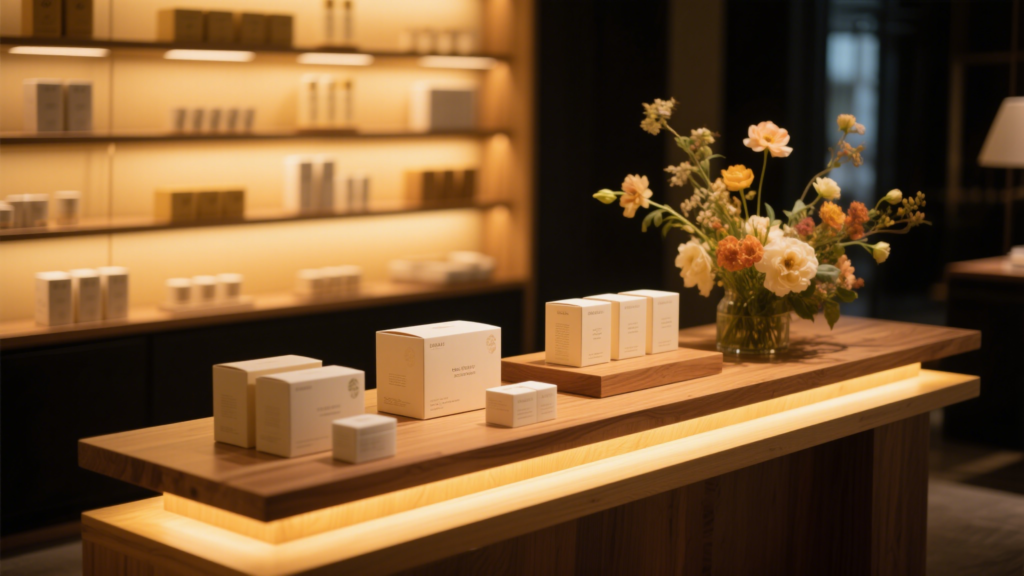
Minimalism ≠ Austerity: Elevating Brand Premium Through Foundational Design lion annual revenue built on basics, commerce proves that minimalism isn’t about austerity but transforming “less” into “more” through precision design. This shift responds to consumer fatigue with excess—73% will pay premium for eco-minimalist packaging (Finnish Commerce Agency). How do basics transcend cheapness? The answer lies in mastering color, material, and function. 1. Color & Material: The Foundation of Premium The Power of AchromaticsMinimalism communicates emotion through restraint. Neutrals—black, white, grey, earth tones—anchor premium spaces with visual stability. In homes, unified light-wood floors and plaster walls amplify light in 30㎡ apartments; in fashion, all-white outfits accented with silver outprice prints—exemplified by CELINE’s ¥1,000+ tees cut from 220g combed cotton. Material Innovation: Tactility Defines ExperienceMinimalism demands material excellence. Hidden-handle cabinets re
Revealing the Core Standards of Glass Perfume Bottles
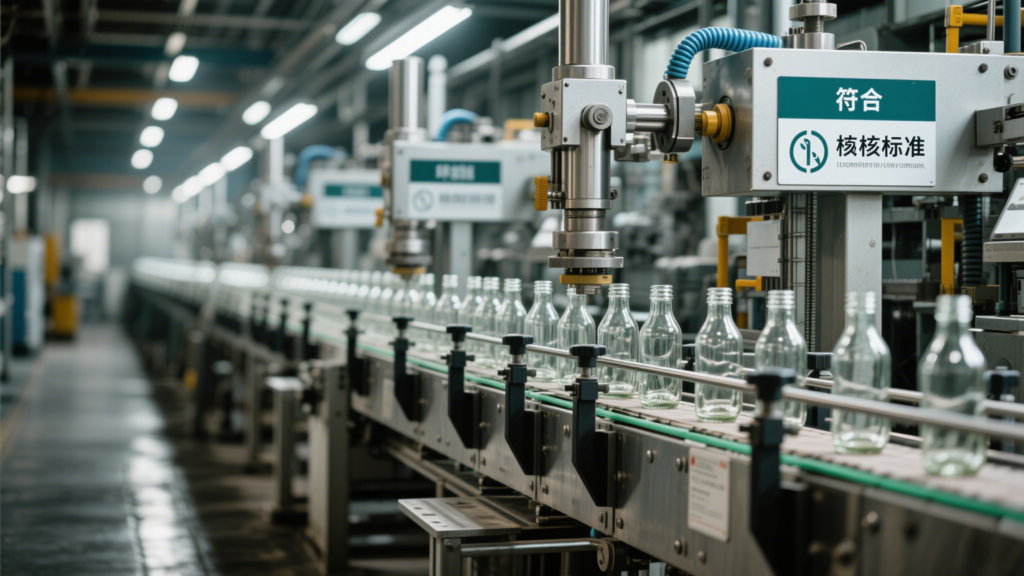
Revealing the 6 Core Standards of Eco-Friendly Glass Perfume Bottles 1. Material Sustainability: Shifting from Virgin to Recycled High Recycled Glass ContentEco-labels mandate ≥50% recycled glass in regenerated products, with toxic chemicals banned. Standards in regions like Shanxi, China, specify that recycled glass must come from post-consumer waste, not factory scraps. Fujian Great Wall Huaxing Glass processes 140,000 tons of waste glass annually via dry-cleaning technology, achieving purity suitable for remelting and increasing recycling rates by 50%. Innovative Eco-Materials Bio-based components: Bottle caps use DuPont’s SURLYN resin (FDA-compliant), combining transparency, wear resistance, and recyclability; Monomaterial design: Eastman’s PETG GN046 copolymer (70% recycled content) enables “bottle-to-bottle” recycling, adopted by Estée Lauder. 2. Production Innovation: Zero Wastewater & Low Carbon Dry-Cleaning Technology for CulletTraditional water-intensive wa
Why Are Global Brands Opting for “Basic” Packaging?
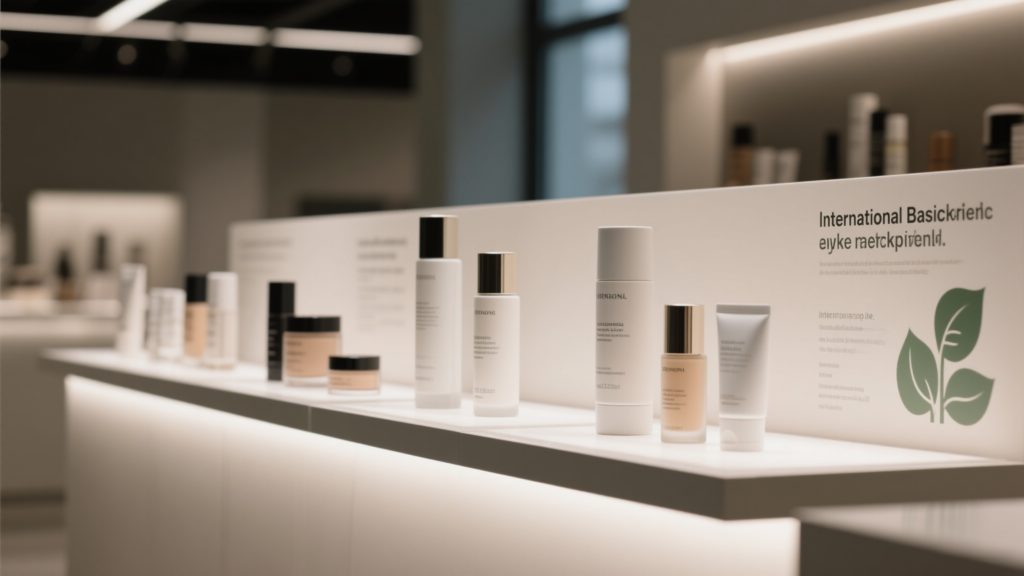
Why Are Global Brands Opting for “Basic” Packaging? 1. Dual Pressures: Regulation and Consumer Awakening Stricter Global Policies: The EU mandates 100% recyclable plastic packaging by 2030, with Spain pioneering taxes on non-recycled plastics. China’s Restrictions on Excessive Packaging cap cosmetic packaging at ≤4 layers and ≤20% of product cost, banning luxury materials like gold foil in mooncake boxes. In May 2025, consumer associations across 12 western Chinese provinces jointly condemned overpackaging, urging brands to “replace extravagance with quality” or face penalties. Consumers Drive Change: A Finnish survey revealed 73% of consumers will pay more for eco-packaging, while 67% prioritize recyclability. Social media trends shift from “unboxing rituals” to “zero-waste reveals”—Nestlé’s paper-refill coffee pouches (97% lighter than glass jars) saw surging sales in Ireland’s Tesco stores. 2. Business Logic Transformed: From “Pseudo-Luxury” to Real Value Co
Why Choose Justglasspack Packaging ?
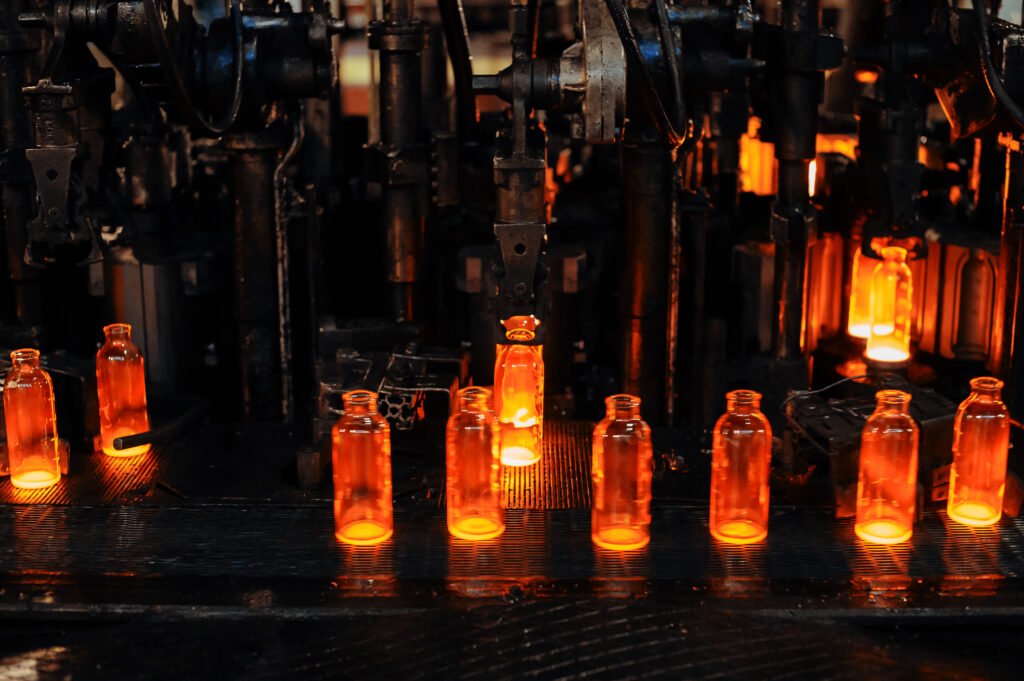
Why Choose Justglasspack Packaging ? In a rapidly evolving market where packaging reflects not just aesthetics but values, the decision of choosing the right packaging partner becomes more critical than ever. For fragrance and personal care brands that strive for sustainability, innovation, and global appeal, Justglasspack stands out as the ideal solution. Here’s why Justglasspack has become the trusted partner for forward-thinking brands across the globe. Empowering Global Brands Through Sustainable Packaging At the core of Justglasspack’s mission is a commitment to empowering global brands. In today’s competitive beauty and personal care industry, packaging is not just about functionality—it’s an extension of brand identity and an opportunity to connect emotionally with consumers. We understand that the right packaging elevates product value, creates an unforgettable unboxing experience, and reinforces brand loyalty. That’s why Justglasspack works hand-in-hand with brands of all siz
5 Creative Upcycles to Transform Perfume Bottles into Home Art
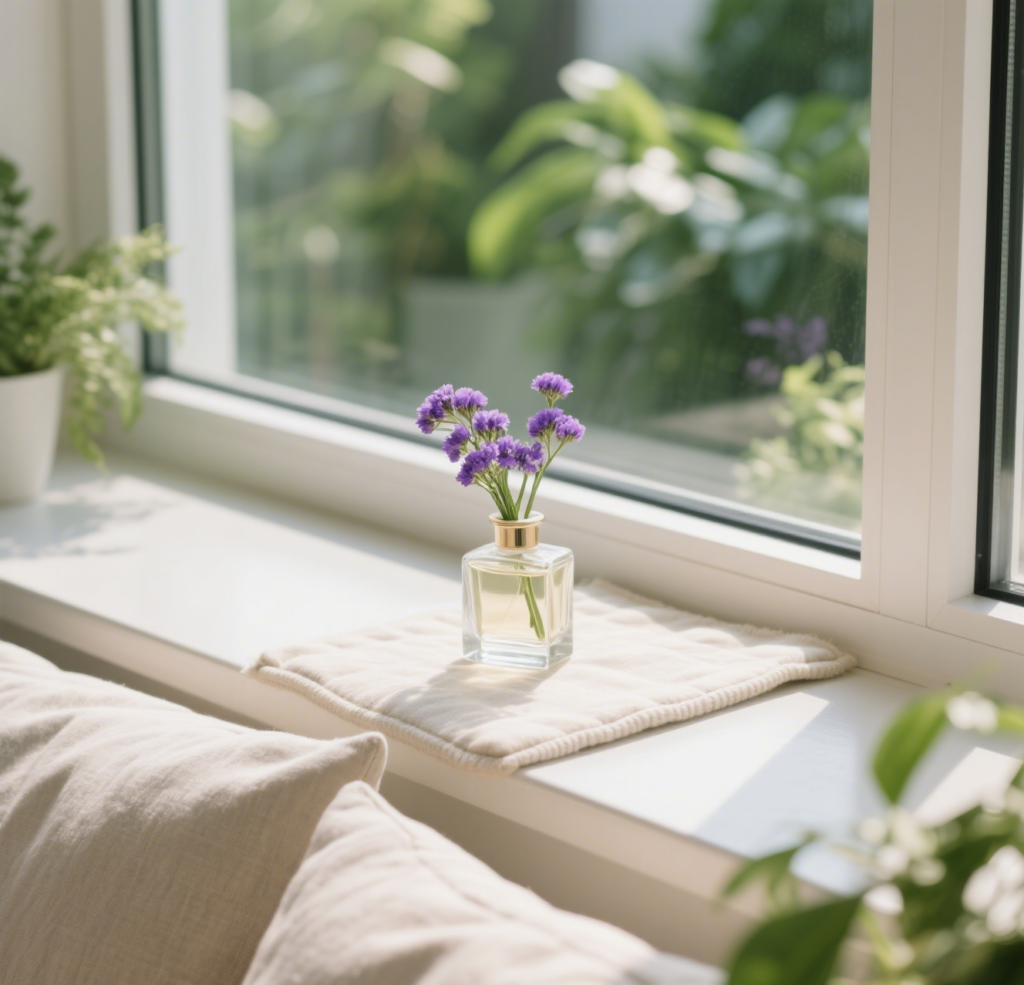
Don’t Toss That Empty Bottle! 5 Creative Upcycles to Transform Perfume Bottles into Home Art Amid a global waste crisis, over 50 billion perfume bottles are discarded annually, with less than 20% recycled. Yet these exquisite glass vessels hold untapped potential. With simple techniques, they can transcend their fate as landfill candidates to become stunning home masterpieces. Discover five transformative ideas: 1. Aroma Diffuser Bottle: Where Light Meets Fragrance Materials: Cleaned bottle, preserved flowers/sola wood flowers, diffuser oil, reed sticksSteps: Fill 1/3 with diffuser oil (orange blossom or lavender recommended); Insert 2-3 reed sticks, topping with a sola flower; Tie jute twine or lace around the neck.✨ Pro Tip: Stained glass casts ethereal shadows when lit—perfect for desks or windowsills. 2. Abstract Painted Vessel: Unleash Chromatic Magic Techniques: Fluid Art: Inject acrylic paint into the bottle, swirl to create organic patterns; Frosted Effect: Sand sections, the
“Basic” Packaging: How Startups Save $14,000 in Launch Funds
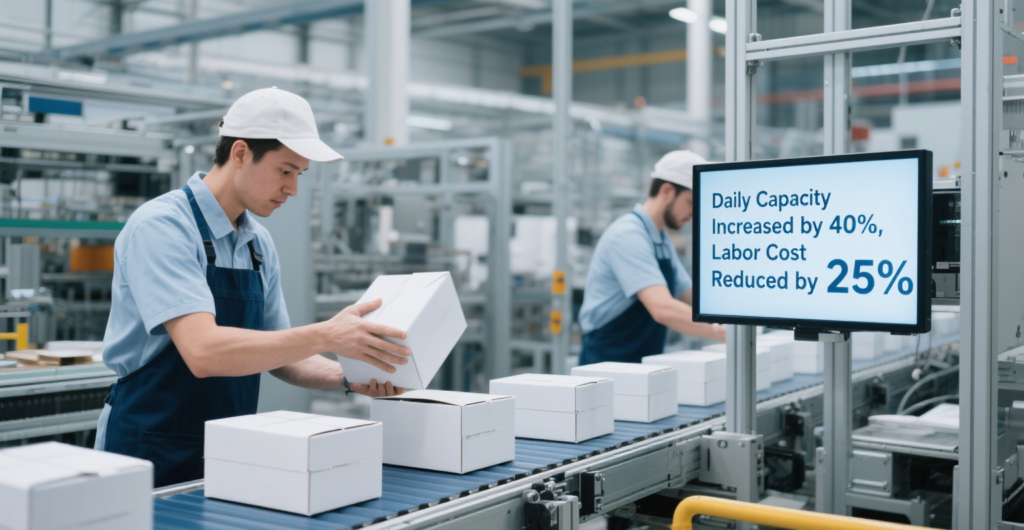
“Basic” Packaging: How Startups Save $14,000 in Launch Funds For emerging brands, every dollar of startup capital carries the weight of their dreams. When traditional packaging demands minimum orders of 5,000-10,000 units with upfront costs soaring into tens of thousands, countless innovations die before reaching market. Yet a new wave of brands is slashing over $14,000 from launch budgets through “basic packaging + micro-customization” strategies. 1. Small-Batch Production: Revolutionizing Inventory Costs Gone are the days of massive minimum orders. Flexible small-batch production (100-5,000 units) now allows brands to test waters with minimal risk. In cosmetics, contract manufacturers offer ODM models starting at 1,000-2,000 units—brands adapt existing formulas with custom fragrances, colors, or labels, compressing upfront inventory costs to mere thousands and trialing capital efficiency. One snack brand leveraged this for holiday marketing, moving from design to delive
The Right Packaging Boosts Repeat Purchase Rate by 30%?
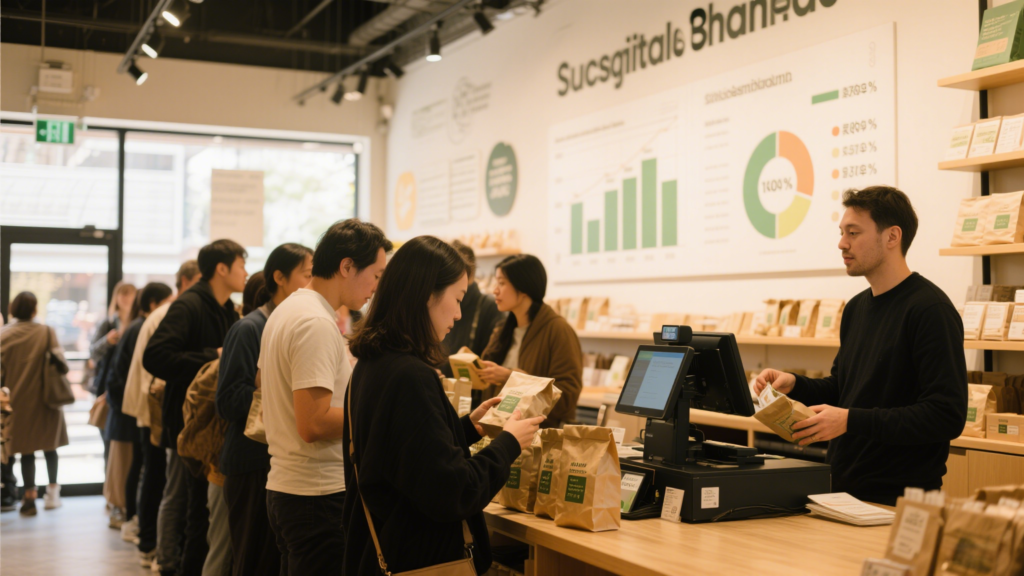
Choosing the Right Packaging Boosts Repeat Purchase Rate by 30%? 1. Sustainable Packaging: From Cost to Repurchase Engine Consumer Appeal of Eco-Materials: Adolph’s Natural Aroma series uses HDPE biodegradable packaging, with bottles 20% thinner yet structurally reinforced to cut material use by 15% per unit. Its muted Morandi color gradient and matte texture convey a “symbiosis with nature” ethos, driving first-year sales over ¥100 million, with over 30% of consumers citing eco-packaging as their purchase reason. Closed-Loop Premiums: Nestlé replaced plastic lids with metal and spoons with paper in its high-protein milk powder, while partnering with “iRecovery” to exchange 5 soft plastic packs for a recycled planter—boosting waste return rates by 40% and fostering repeat purchases. Policy and Market Forces: With the EU mandating 100% recyclable packaging by 2030 and China’s plastic restrictions, 67% of retailers faced complaints over plastic packaging. Dongguan Dingliteng’s glassine
Global Eco-Packaging Regulations Update 2024

Global Eco-Packaging Regulations Update 2024: Is Your Brand Ready? Global Regulatory Shift: From “Voluntary” to “Mandatory” 2024 marks a tipping point for eco-packaging regulations: EU PPWR Enacted: In December 2024, the European Council adopted the Packaging and Packaging Waste Regulation (PPWR), replacing the 1994 directive. It mandates 5% packaging reduction by 2030 and 15% by 2040, requiring all packaging to be recyclable with recycled plastic content at 30%-65% (by category). Single-Use Plastic Bans: From 2030, the EU prohibits hotel mini-toiletries, plastic pre-packaging for fruits/vegetables under 1.5kg, and ultra-light plastic bags (<15 microns). Global Alignment: China’s upgraded “Plastic Restriction Order” bans single-use plastics in hotels by 2025; California and New York mimic EU PFAS restrictions in food packaging110. Key Timeline: 2025: PPWR transition period ends, mandatory EU compliance begins 2030: 70% packaging recyclability rat
Why We Insist on Classic Glass Perfume Bottles
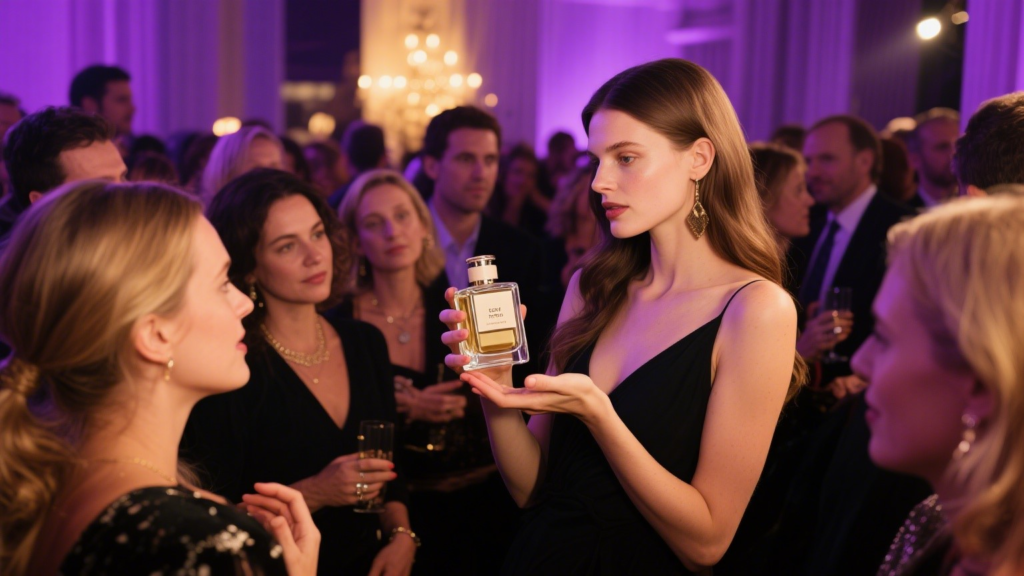
Why We Insist on Classic Glass Perfume Bottles — Preserving “Purity” as Long-Termism in Packaging Innovation “When competitors cut costs by 30% with biodegradable plastic bottles, we received customer complaints about our glass bottles—because ‘the bottle is too beautiful to discard.’” The self-deprecating remark of Lin Wei, founder of Chinese niche perfume brand Jiuxiao, reveals a hidden value war in the industry. In 2025, China’s perfume market will surpass ¥51.5 billion, growing at 22% annually. While global brands rush to adopt recycled aluminum or PCR plastic bottles, a cohort of small brands stubbornly clings to classic glass bottles—a choice embodying material science, consumer psychology, and sustainable economics. I. Three Core Values of Classic Glass: From “Purity Guard” to “Brand Narrative” 1. Chemical Inertness: The Non-Negotiable Baseline Zero-Pollution Barrier: Silica-based glass forms an ionic cage structure, eliminating phthalate lea
